Image

 Consumer Health
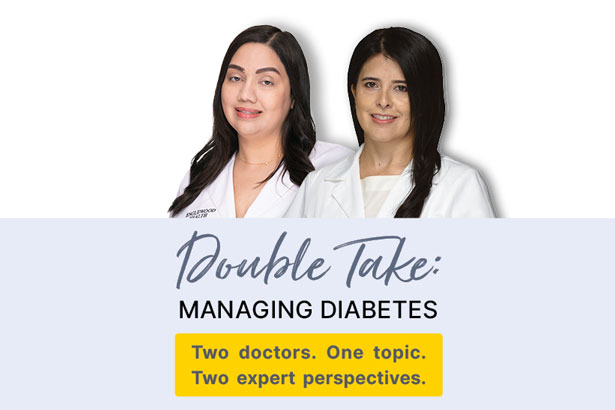
In Double Take, a primary care provider and a specialist team up to answer your health questions — from prevention to treatment and everything in between.
Diabetes can feel overwhelming — but it doesn’t have to be. We sat down with a primary care provider and an endocrinologist to get the inside scoop on how they manage diabetes and prediabetes together. Here’s what they want you to know.
Laura Y. Torres Cruz, MD, Internist/Primary Care Provider: The top number I pay attention to is A1C (also called hemoglobin A1C), which reflects someone’s average blood sugar level over the past three months. A high A1C is linked to higher risk of complications like kidney disease, nerve damage, and vision issues. Fasting glucose and glucose levels after eating are also important, especially in understanding how a patient is managing their levels day to day. For patients already diagnosed with diabetes, I watch blood pressure, cholesterol, and kidney function, as diabetes influences overall health.
Dr. Torres Cruz: For type 1 diabetes, insulin is required. For type 2, I always begin with lifestyle changes — healthy eating, exercise, and weight loss can go a long way in managing or even reversing prediabetes and early diabetes. I may recommend diabetes prevention classes or dietitian support at this time. If A1C remains high or symptoms occur, we’ll start medication to prevent complications.
Dr. Torres Cruz: I completely understand the hesitation. I handle this by explaining the goals of treatment to prevent serious complications and improve quality of life.
Sometimes just talking through how the medications work and how they’ll be monitored helps patients feel more comfortable. I reassure them that medication doesn’t mean failure, it’s often just one part of a bigger plan.
Dr. Torres Cruz: I typically refer when diabetes becomes difficult to manage, when multiple medications aren’t working, or when there are signs of complications.
We work closely with endocrinologists at Englewood Health, partnering on the patient’s care to ensure a seamless, team-based approach moving forward.
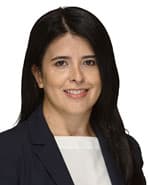
Yudi Camacho, MD, Endocrinologist: I help them understand diabetes — what it is, types, and what their diagnosis means. We review contributing factors and create a personalized plan with education, diet, activity, and medicine if needed. We’ll also discuss continuous glucose monitors, which are non-invasive devices that monitor sugar levels 24/7, providing a more complete picture. The goal is to provide support, reduce anxiety, and empower patients to manage this condition with confidence.
Dr. Camacho: Besides A1C and fasting glucose levels, I sometimes order tests like C-peptide to understand how much insulin a patient’s pancreas is still producing. For type 1 diabetes or patients with unusual symptoms, I check autoantibodies to clarify a patient’s diagnosis. I also monitor for diabetes-related complications with urine analysis for kidney health and retinal exams for eye health.
Dr. Camacho: If side effects occur, we try alternatives. We have many different medication options and opportunities to find the right one for each patient. Fortunately, we now have many non-insulin options that are effective and well-tolerated. Injectable therapies like GLP-1s—such as semaglutide (Ozempic®, Wegovy®), liraglutide (Victoza®, Saxenda®), and dulaglutide (Trulicity®)—can also help with blood sugar control, weight management, and heart health.
Dr. Camacho: Self-management education is essential for helping patients take control of their diabetes. It goes beyond just handing out information—we’re teaching people how to apply it in real life. From reading food labels to understanding blood sugar patterns, the goal is to give patients the skills and confidence to manage their condition day to day. I often refer patients to certified diabetes educators or nutritionists as part of a team approach, because when patients understand their role in their own care, we tend to see better outcomes.
Dr. Camacho: I always aim to support the primary care team. We review labs together, discuss medication options, and collaborate on long-term goals.
The goal is seamless care. Whether I’m initiating new treatments or providing specialty input, the patient stays connected to both of us throughout the process. We’re here as a team to support patients every step of the way.
Whether you’re managing prediabetes or living with diabetes, expert care makes all the difference. Ready to take the next step? Find an Englewood Health doctor near you and get started on your path to better health.
Posted on November 18, 2025